
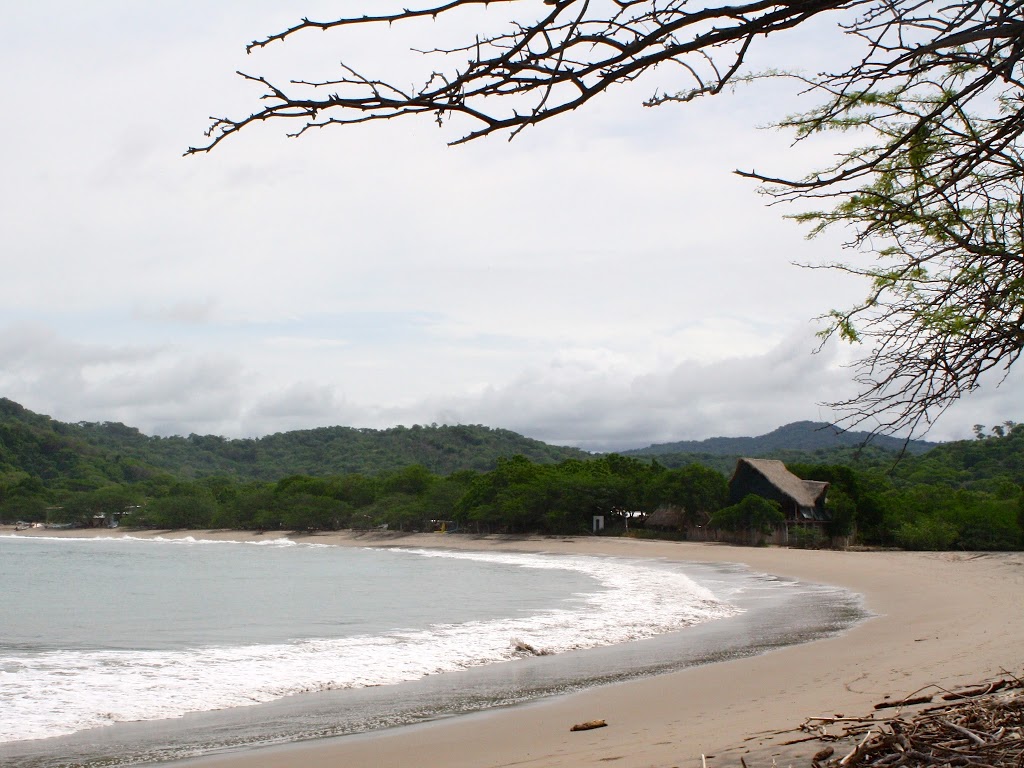
This is a draft of Mark Kirwin’s observations of the Climate Change Conference in Bonn, Germany.
KIRF Co-Founder Mark Kirwin, is using his experience as a professional attorney mediator to help promote mediation as an effective mechanism for finding agreement among the diverse perspectives and concerns of the negotiators at the UNFCCC Climate Change Talks with Mediators Beyond Borders. In 2009 he attended climate change conferences in Barcelona, Bangkok and the historic COP15 climate change conference attended by world leaders such as President Barack Obama in December. Mark Kirwin’s observation’s at these climate change conferences are in previous posts here an at the 11th Hour Mediation blog.
As the reality of global warming and it’s increasing impacts on food production, economic development, pollution, human health and energy usage is becoming more widely understood, alternative dispute resolution methods such as mediation are important tools for the peaceful and cooperative resolution of these climate change issues.
The 2010 international climate change conferences will culminate with the 16th session of the Conference of the Parties, COP16, for short, in Cancun, Mexico on November 29. The preparatory negotiations for COP16 are being held at the UNFCCC conferences in Bonn, Germany. These negotiations are laying the foundation for a long hoped for political agreement by the world’s nations at COP16. The preparatory negotiations are by two temporary subsidiary bodies established by United Nations members – the Ad Hoc Working Group on Further Commitments for Annex I Parties (referred to as “Annex I” in this post) that are under the Kyoto Protocol (AWG-KP) and the Ad Hoc Working Group on Long-term Cooperative Action under the Convention (AWG-LCA)(1).
After ___ hours of travel from LAX, Mark finally arrived at _______(name of hotel) in the Old Town section of Bonn, Germany at around midnight. It was the evening before the opening plenary of the Climate Change Conference in Bonn, Germany.
May 31 – Day 1
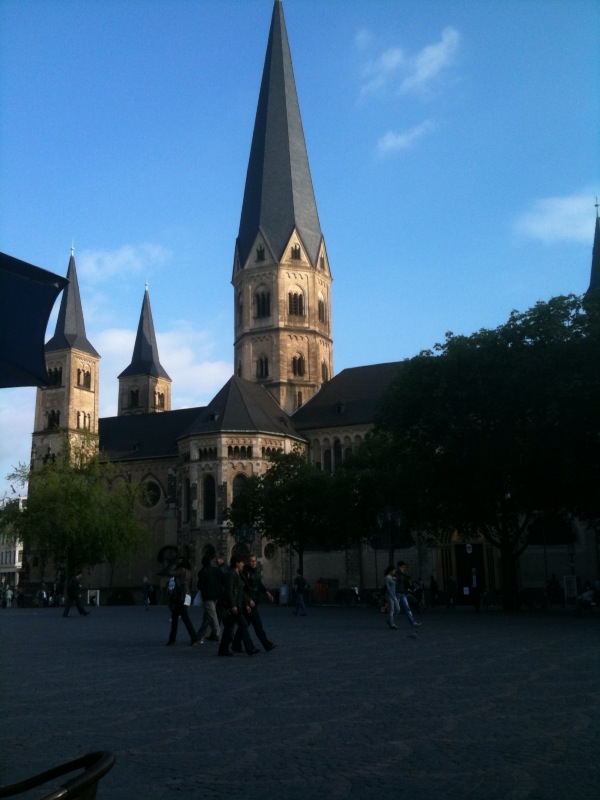 Ah, now that I’m finally here, this is a wonderful country, Germany. After four hours of sleep, I just got back from running a wonderful wooded trail on a hill over the city. I am getting ready – physically and mentally ready–for the opening plenary at the Climate Change talks in Bonn, starting today.
Hopefully we’ll see how the negotiations go between the COTA protocol track, the Long-Term Commitments track, and the Accord.
* * *
Day 1 went fairly well. It was a day where Sabasta and SBI had their opening plenaries. Many nations discussed the progress of the talks leaning more to political statements and others expressed their concern to steer away from political statements and get down to the science which it seemed was generally accepted that needed to come forth in a clearer fashion to support adaptation mitigation policies.
June 1 – Day 2
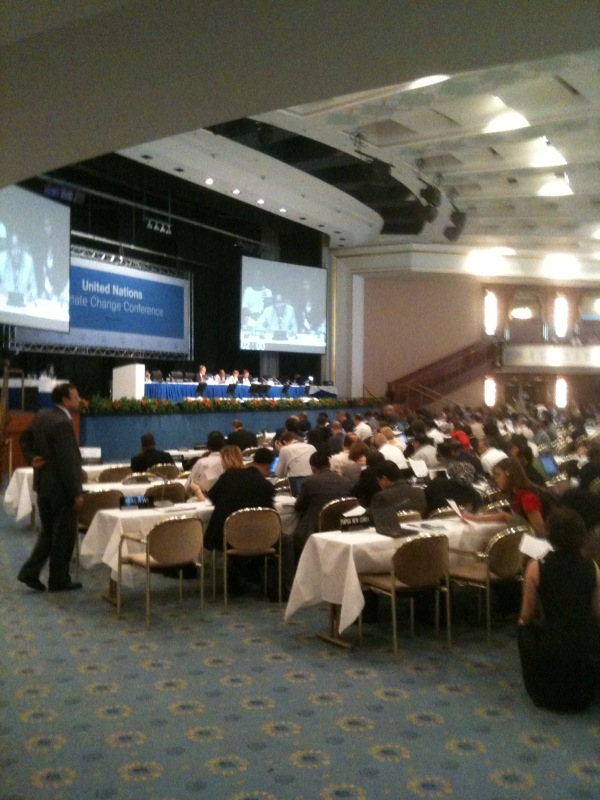 This is day two of the Bonn Climate Change Talks. Today is the opening plenaries for the ad hoc working group on the Kyoto Protocol and the ad hoc working group on Long-Term Cooperative Action (AWG-LCA). So it should be another exciting day!
June 2 – Day 3
 Today there was a lot of discussion in the AWG-LCA about finance: Some countries believing that it should be 6.5% of the GDP, others 1.5%, and others wanting voluntary commitments to the Copenhagen Green Climate Fund which was set up pursuant to the accord reached at COP15 in Copenhagen. The Green Climate Fund’s purpose is to help poor countries adapt to and mitigate the effects of climate change.(2) Some negotiators thought that financing was being used as a political tool, and almost used like blackmail in order to get countries to sign onto the Copenhagen Accord. They thought that an independent financial body may be the proper way to allocate and distribute the funds. While other negotiators thought the Copenhagen Green Climate Fund would be the best way to do that. The staff at the Copenhagen Green Climate Fund are people who are experienced in finance. They are not politicians, they are finance people, so it seemed to be a good idea that was taken well.
Whether the finance decisions would be done by the UN financial body, an independent financial body, or with the Copenhagen Green Fund (staffed with financial experts as opposed to a diplomats), the financing of the responses to climate change would be underneath the ultimate direction of the UN Secretariat.
3 June – Day 4
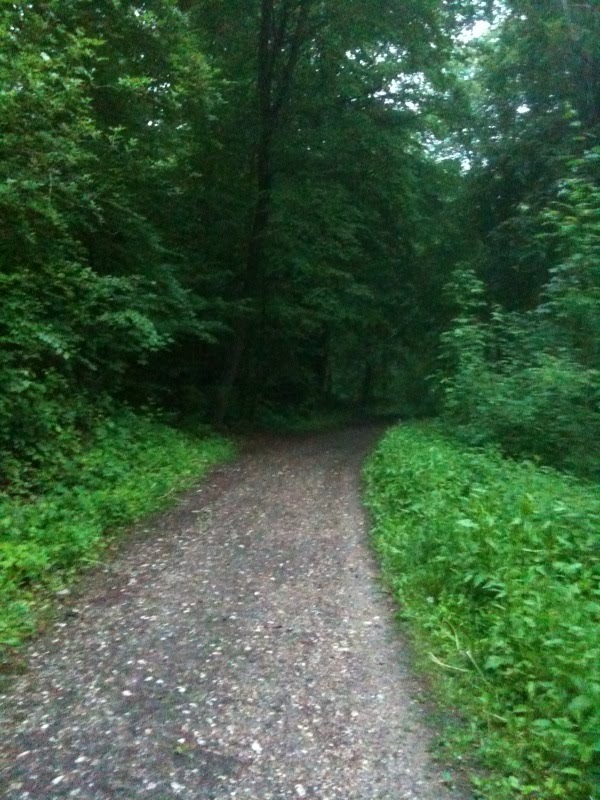
Well we’re going on day 4 of the Climate Change talks in Bonn. Before the conference I ran up one of the “foresty” hills outside of Bonn to get ready for the day. What a beautiful run it was, forest everywhere …birds singin’ away. Gotta take that kind of energy into the talks today.
4 June – Day 5
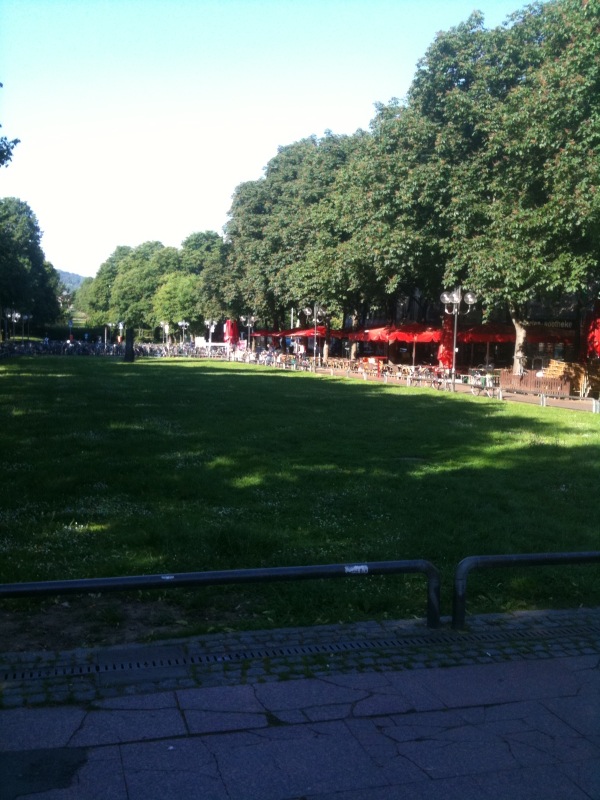
So it’s the last day that I’m here at the UN climate change talks in Bonn. It’s been an interesting last two days. There’s certainly a desire to move forward but it seems like the rules of procedure are problems for certain groups wanting to change them while other groups want to stay with them. The KP seems to be not going as fast as some would hope.
So, bye for now, off to Cancun!
Peace.
Mark
Co-Founder of KIRF
Asian Coordinator & Executive Director for Climate Change at Mediators Beyond Borders
Daily updates and analysis about the climate change talks in Bonn can also be found at Climatico’s web site climaticanalysis.org.
References:
(1) Wikipedia, 2010 United Nations Climate Change Conference. Retrieved on July 23, 2010, from: http://en.wikipedia.org/wiki/2010_United_Nations_Climate_Change_Conference
(2) United Nations. Retrived on July 29, 2010, from: http://www.un.org/apps/news/story.asp?NewsID=33305

