How we help people rebuild.
KIRF is a humanitarian organization dedicated to helping others help themselves in a respectful, efficient, and environmentally sustainable way. That work falls into three parts.

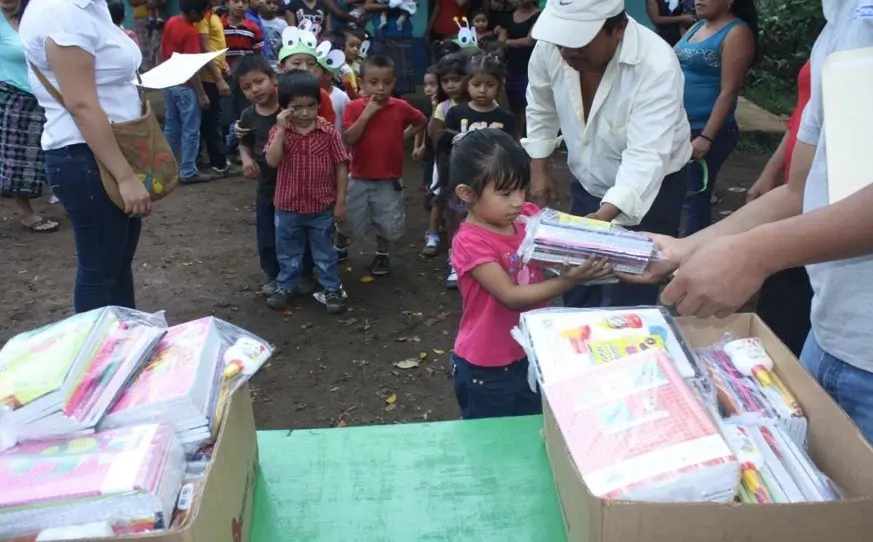
Disaster Relief
Whenever we can, we raise funds and pay our own way to disaster areas, then work alongside the people already on the ground, because they know best what’s needed and how to get it there fast.
In 2015, we sent volunteers to Kathmandu to assess earthquake damage, and found that what families needed most wasn’t more tents. It was sheets of corrugated aluminum roofing that could survive the monsoon. Through the Rotary Club of Kathmandu, we got it to them directly.
We’ve done the same kind of work after Typhoon Haiyan devastated Panay Island in the Philippines, after the 2010 earthquake in Haiti, after Typhoon Nargis hit Burma in 2008, and after the 2007 earthquake near Pisco, Peru. In 2005, we sent a team to Mississippi to help Hurricane Katrina survivors get living supplies and reconnect with local care networks.
And it started even earlier than that, with the tsunami that nearly took our own founders’ lives in Thailand in 2004. In the months after, we helped stranded Moken sea-gypsy families on a remote island in the Andaman Sea with boats, food, and clean water. A year later, in Bihar, India, and again in Tanzania, we were drilling wells for communities facing severe drought.
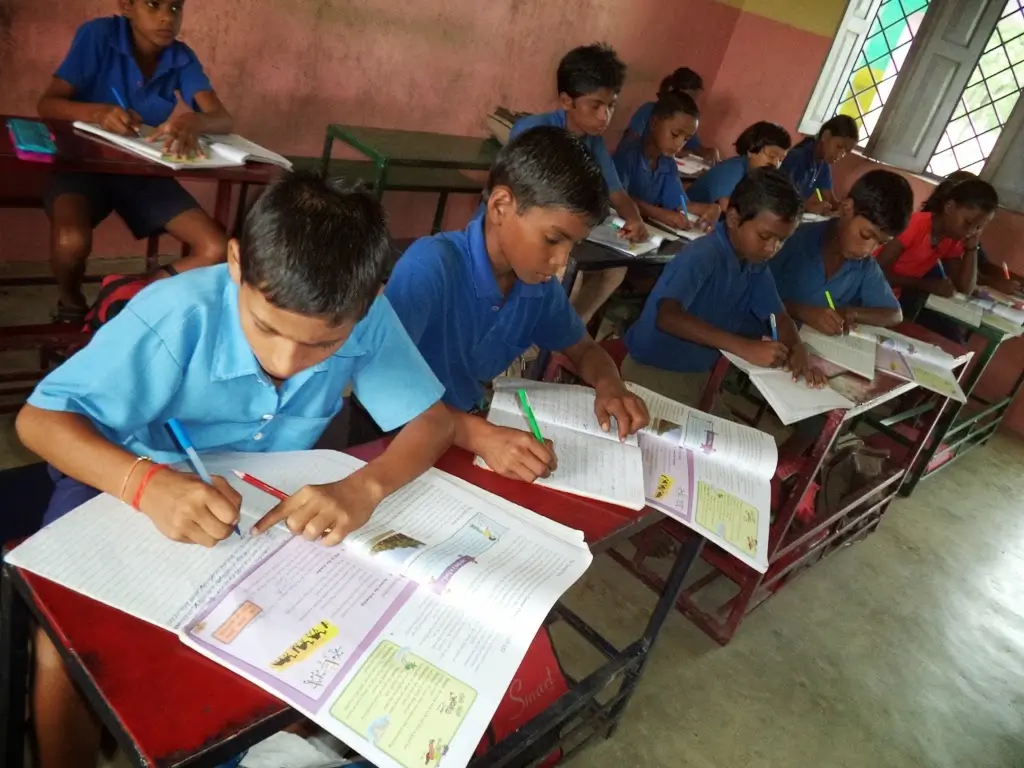
Education
A disaster doesn’t just take a home. It can take a child’s education, too. We work to make sure it doesn’t.
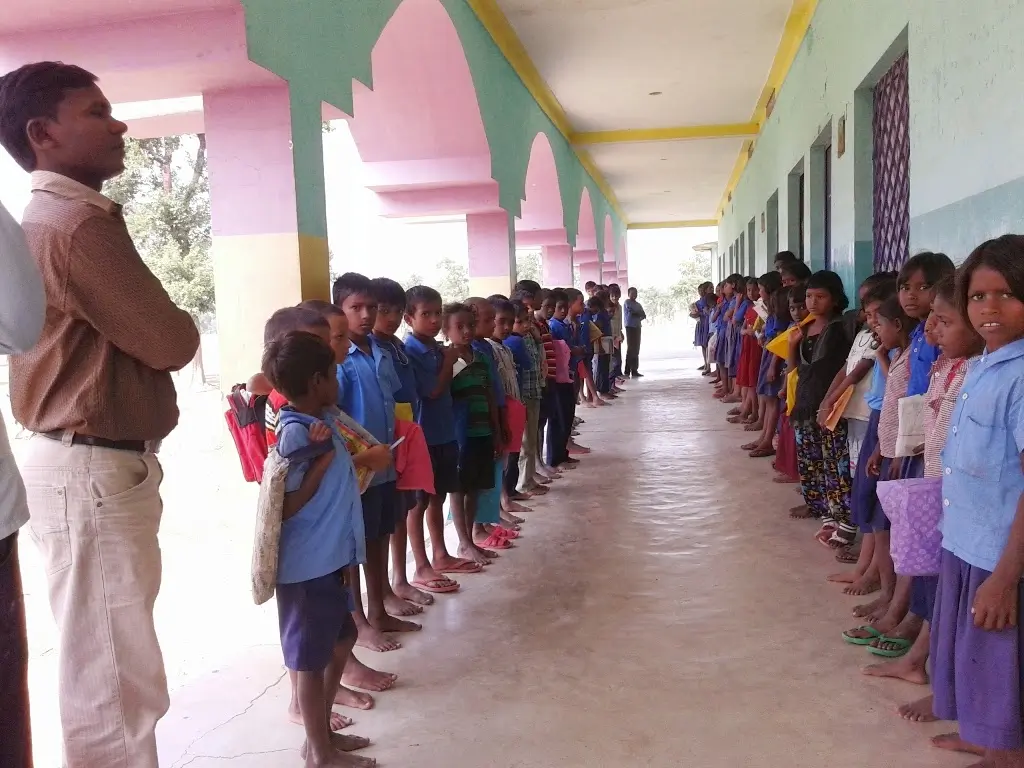
In Bihar, India, we support the Shekhwara Village School, a free, national-standards primary school for the lowest-caste rural children in the region, who often can’t afford school fees or transportation. Every year that means textbooks, uniforms, sports equipment, and a nutritious lunch, because a hungry child can’t learn. We also fund the on-campus KIRF Sewing Centre, which trains local young women in a trade.
After the 2004 tsunami, we helped establish a university scholarship fund, administered by Thailand’s Population & Community Development Association, for children in Ranong and Png Nah provinces who lost one or both parents. Students with the grades to go to college get the chance, tuition-free.
We’ve delivered school supplies and sports equipment to families rebuilding after Hurricane Katrina in Mississippi, funded a full set of textbooks for a K–12 village school in the Andean village of Huantan, Peru, and provided building materials, doors, and desks for the Lighthouse orphanage outside Phnom Penh, Cambodia. In Tanzania, we installed a rain-catchment system for a rural school that had gone without water for its students and staff.
“We won’t have a society if we destroy the environment.” Margaret Mead
Sustainable Development
Emergency relief is the first step. The harder, slower work is making sure people don’t need us again, and that includes protecting the place they live.
In Thailand, we funded fishing boats and supplies for fishermen who lost their livelihoods to the tsunami, and helped build a fish farm and ecological guesthouse that now supports a cooperative of about 32 families.
In Bihar, we’ve funded a micro-loan cooperative for women in nearby villages, drilled and continue to maintain seven wells in a region long affected by drought, and offer free literacy education at Shekhwara Village School. In Peru, we’ve supplied a battered women’s shelter and sewing cooperative in Lima with textiles, food staples, and toiletries.
We also believe you can’t separate helping people from protecting their environment. Our founder has attended the UN Climate Change Talks since 2009, including COP15 in Copenhagen, and we partner with Roots & Shoots, the youth program of the Jane Goodall Institute, wherever we can. In Tanzania, that partnership meant two donated laptops for the local Arusha office and a tree-seedling reforestation project to fight soil erosion.